How I work with AI

How I work with AI

AI is central to how I design — not as a shortcut, but as a creative system built for speed, consistency, and quality at scale.

01

Strategy and planning

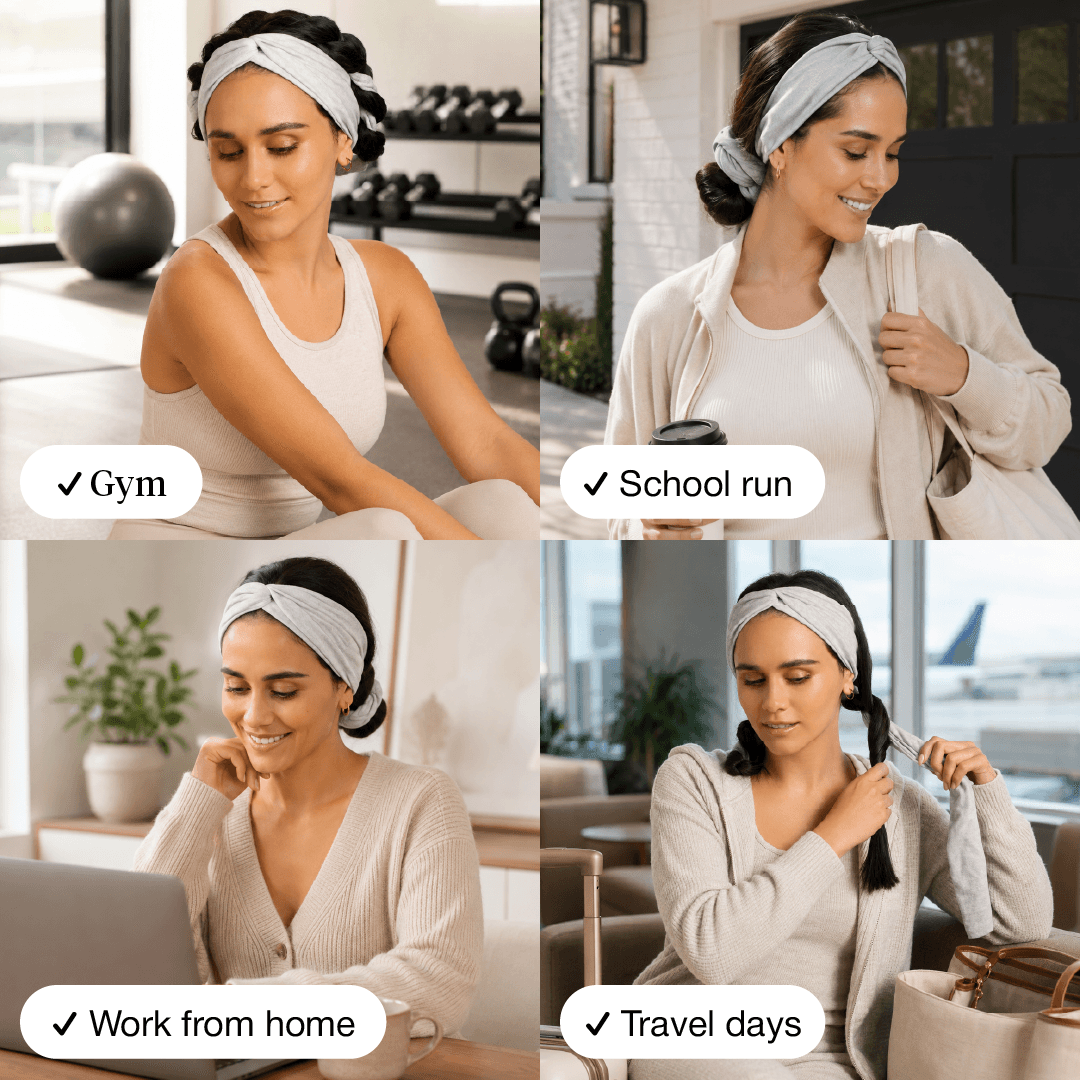
Before I generate anything I break down the brief, map copy to specific visual beats, and define what each asset needs to achieve — whether it's a static listing image or a 60-second video ad. I use Claude as a thinking partner to pressure-test creative direction and catch brand or continuity issues before they become expensive problems.
I also do some benchmarking research, to see what is performing well and see how it could apply to this design.

Claude

ChatGPT

Atria

02

Reference locking

I lock a single anchor early — a product photo, brand color, character, or visual reference — and feed that exact file back into every subsequent generation rather than re-prompting from text. For static work this keeps a product shot consistent across 9 listing images. For video it's the difference between a cohesive 15-shot set and one that visibly drifts.

Firefly

Nano Banana

Chat GPT

Google Flow

03

Generation

For static imagery I match the tool to the output needed — product scenes, lifestyle photography, or brand environments. For video I match the model to the shot — natural human motion for lifestyle content, cinematic models for hero moments. Free-tier tools are used deliberately as no cost comparison points before spending paid credits on the real thing.

Firefly

Nano Banana

Chat GPT

Google Flow

Higgsfield

04

Finishing

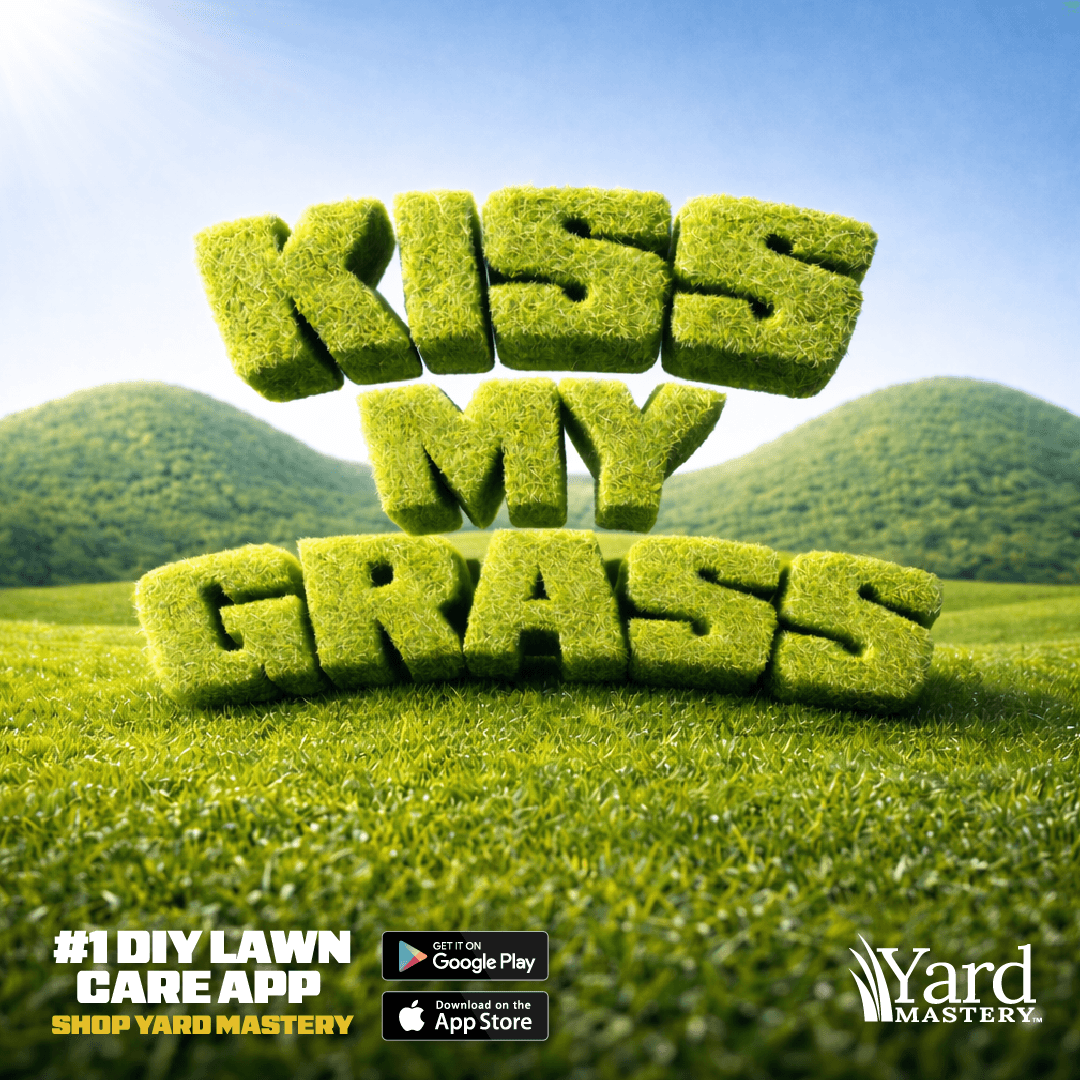
AI output is always raw material, not a final asset. For static work: color correction, canvas extension, compositing, and typography in Photoshop and Illustrator. For video: the same color and compositing pass, plus any text overlays and brand elements. Full control lives here — not inside the generation tool.

Illustrator

Photoshop

05

Assembly and delivery

For static: final layout, copy overlays, brand elements, and multi-format exports for every required placement — feed, story, TikTok Shop, PDP. For video: final pacing, multi-format reframing, and platform-specific exports in Premiere Pro using AI-assisted auto-reframe to avoid unnecessary regeneration across aspect ratios.

Illustrator

Premiere Pro

06

Audio (video only)

Voiceover model and punctuation are chosen deliberately for tone, pacing, and consistency across a full script — not generated once and left as-is. A voiceover that drifts in energy halfway through a 60-second ad loses the viewer.

ElevenLabs

The stack — what each tool actually does
Claude

Strategy partner and prompt system builder — I use it to break down briefs, pressure-test creative direction, and maintain structured prompt libraries for consistent outputs at scale.

Firefly

Scene generation from static images, lifestyle environment creation, generative fill, and canvas extension — used for both static ads and video content within the Adobe ecosystem.

ElevenLabs

Voiceover generation for video ads — model and punctuation chosen deliberately for consistent tone and pacing across full scripts.

ChatGPT

Primary image generation tool — product scene creation, lifestyle environments, and reference image generation for both static ads and video anchor shots.

Google Flow

My primary tool for character and product consistency across multi-shot sets — I feed reference images to lock a subject, then build out lifestyle scenes and mockups with the same character or product throughout. The difference between a cohesive campaign and one that drifts.

Premiere Pro

Final video assembly — pacing, multi-format reframing, platform exports, and AI-assisted auto-reframe across aspect ratios.

Higgsfield

Tested image generation and Click-to-Ad features — strong for eCommerce product scenes. Limited credits but enough to evaluate the workflow.

Nano Banana

Lifestyle product renders — placing physical objects into realistic domestic or commercial environments for portfolio and client visualization.

Photoshop + Illustrator

Where AI output becomes a final asset — color correction, compositing, typography, brand elements, and all multi-format static exports.

Claude

Strategy partner and prompt system builder — I use it to break down briefs, pressure-test creative direction, and maintain structured prompt libraries for consistent outputs at scale.

ChatGPT

Primary image generation tool — product scene creation, lifestyle environments, and reference image generation for both static ads and video anchor shots.

Higgsfield

Tested image generation and Click-to-Ad features — strong for eCommerce product scenes. Limited credits but enough to evaluate the workflow.

Firefly

Scene generation from static images, lifestyle environment creation, generative fill, and canvas extension — used for both static ads and video content within the Adobe ecosystem.

Google Flow

My primary tool for character and product consistency across multi-shot sets — I feed reference images to lock a subject, then build out lifestyle scenes and mockups with the same character or product throughout. The difference between a cohesive campaign and one that drifts.

Nano Banana

Lifestyle product renders — placing physical objects into realistic domestic or commercial environments for portfolio and client visualization.

ElevenLabs

Voiceover generation for video ads — model and punctuation chosen deliberately for consistent tone and pacing across full scripts.

Premiere Pro

Final video assembly — pacing, multi-format reframing, platform exports, and AI-assisted auto-reframe across aspect ratios.

Photoshop + Illustrator

Where AI output becomes a final asset — color correction, compositing, typography, brand elements, and all multi-format static exports.

AI gives me the environment. Design gives it the meaning.

AI gives me the environment.
Design gives it the meaning.

Love what you see?

Jump to gallery

Gallery

Create a free website with Framer, the website builder loved by startups, designers and agencies.